
How Should Asbestos Waste Be Handled After Removal in Adelaide?
Removing asbestos from a property is only one part of managing the hazard safely. Once asbestos-containing materials have been removed, the resulting waste must be carefully contained, transported and disposed of through the appropriate channels.
For Adelaide homeowners, renovators and property managers, understanding what happens to asbestos waste after removal can help prevent accidental exposure and improper disposal.
Why Does Asbestos Waste Need Special Handling?
Asbestos waste is different from ordinary building or household waste. It can include removed asbestos sheets, fragments, contaminated materials, dust and other remnants from an asbestos removal project.
Even after asbestos has been removed from a building, damaged materials or loose fibres can still present a risk if they are handled incorrectly. South Australian guidance requires asbestos waste to be taken to licensed waste facilities rather than being placed in household bins or ordinary rubbish collections.
This is why asbestos disposal needs to be planned as part of the overall removal process.
What Happens to Asbestos Waste After Removal?
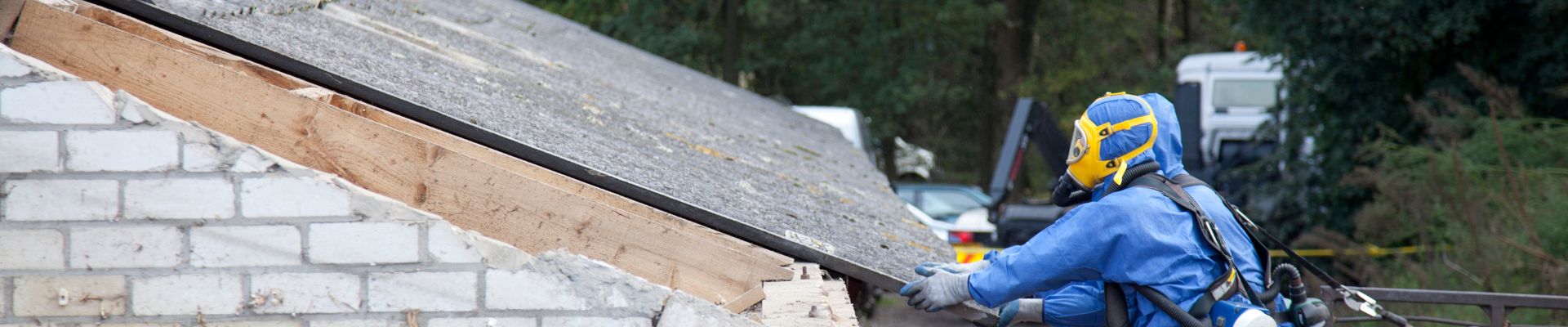
Once asbestos-containing materials have been safely removed, the waste needs to be contained so fibres cannot escape during handling or transport.
Clean Air Asbestos Solutions explains that asbestos materials should be carefully packed and contained before being transported to designated disposal facilities. The company’s Adelaide disposal service is designed to manage this process as part of professional asbestos removal and disposal.
The waste should remain securely contained from the time it leaves the removal area until it reaches an approved disposal facility.
How Should Asbestos Waste Be Packaged?
Proper packaging is an important part of asbestos waste management. South Australian disposal guidance states that asbestos waste must be double-wrapped in thick 200-micron plastic and clearly labelled before transport.
The material should be handled carefully to avoid breaking or damaging it further. Keeping asbestos waste properly contained helps reduce the possibility of fibres becoming airborne.
Clean Air Asbestos Solutions also describes wetting asbestos materials before wrapping and securely sealing them in thick plastic as part of its disposal process.
Can Asbestos Waste Go in a Skip Bin?
Asbestos waste should not simply be placed into a standard household rubbish bin, hard-rubbish collection or general waste system.
Some waste facilities do not accept asbestos at all. For example, NAWMA states that its Resource Recovery Centres at Edinburgh North and Pooraka do not accept asbestos waste. Homeowners should always confirm that a facility is licensed and accepts asbestos before arranging disposal.
Using an ordinary waste service without confirming its asbestos requirements can create safety and compliance problems.
How Is Asbestos Waste Transported Safely?
Transport is another important stage after asbestos removal. The waste needs to remain securely wrapped and contained throughout the journey.
South Australian guidance recommends contacting the receiving facility beforehand and securing wrapped asbestos waste in a way that prevents fibres from escaping during transport.
Professional asbestos contractors can manage this process while taking into account the condition of the waste, packaging requirements and the destination facility.
Where Is Asbestos Waste Disposed Of in Adelaide?
Asbestos waste must be taken to an appropriate licensed facility that is authorised to receive it.
The correct disposal location can depend on the type and quantity of asbestos waste and the facility’s current acceptance requirements. It is important to contact the facility before arriving rather than assuming that a general waste depot will accept asbestos.
For homeowners arranging asbestos disposal in Adelaide using an experienced professional can help ensure the waste is contained, transported and directed to an appropriate disposal facility.
What Records Should Be Kept After Asbestos Disposal?
Keeping documentation can be an important part of completing an asbestos removal project.
Details relating to the removal, transport and disposal should be retained where applicable. Clean Air Asbestos Solutions notes that records, permissions and receipts associated with asbestos removal and disposal can be important documentation for the property.
These records may also be useful if the property is renovated again, transferred to a new owner or requires evidence that asbestos work was completed appropriately.
Why Is Professional Asbestos Disposal Important?
Asbestos disposal involves more than simply removing unwanted materials from a property. The waste needs to remain contained and must be transported to an authorised disposal facility.
South Australian guidance states that asbestos waste must be taken to licensed transfer stations or waste depots.
Professional asbestos specialists can manage the removal, containment and disposal process while following the relevant safety requirements.
Final Thoughts
After asbestos removal, the waste still needs to be treated as hazardous material until it reaches an approved disposal facility. Proper packaging, secure transport, authorised disposal and suitable documentation are all important parts of the process.
For Adelaide property owners, arranging professional asbestos disposal can help ensure removed materials are managed responsibly rather than being mixed with ordinary household waste.Clean Air Asbestos Solutions provides asbestos-related services across Adelaide and the surrounding Adelaide Hills, including asbestos removal, testing, consultation and disposal.
