What Should Adelaide Homeowners Do If They Suspect Asbestos in Their Home?
Discovering a material that may contain asbestos can be concerning, particularly when planning renovations, repairs or maintenance on an older Adelaide home. The most important step is not to disturb the material until you know what you are dealing with.
Asbestos can be found in various building materials, and it is not possible to confirm whether a material contains asbestos simply by looking at it. If you suspect asbestos, the safest approach is to stop work, keep the area undisturbed and seek appropriate professional advice.
What Should You Do First If You Suspect Asbestos?
If you come across a material that you believe could contain asbestos, avoid cutting, drilling, sanding, breaking or otherwise disturbing it.
This is particularly important during renovations because activities such as demolition, drilling and cutting can damage asbestos-containing materials and potentially release fibres into the air.
Keep children, pets and other household members away from the area until the material has been assessed. If renovation work is underway, stopping the work temporarily can help prevent unnecessary disturbance.
Can You Tell If a Material Contains Asbestos?
Asbestos-containing materials can look similar to other building products, so visual inspection alone cannot reliably confirm whether asbestos is present.
South Australia’s asbestos authority recommends assuming a suspect material contains asbestos or having it tested by a NATA-accredited laboratory if there is uncertainty.
Older homes can contain asbestos in areas such as roofing, wall cladding, eaves, flooring, ceilings, insulation and other building materials. This is why asbestos identification should be considered before major renovation, demolition or repair work.
When Should You Arrange Asbestos Testing?
Testing can be particularly useful when you are planning work that could disturb an existing building material.
For example, homeowners may consider asbestos testing before:
- Bathroom or kitchen renovations
- Removing old flooring
- Altering walls or ceilings
- Replacing roofing or cladding
- Demolition work
- Major repairs to older building materials
- Purchasing or renovating an older property
Professional asbestos testing can help determine whether a suspect material contains asbestos before work proceeds.
Clean Air Asbestos Solutions provides asbestos inspection and sample testing services in Adelaide, including detailed assessment of suspected asbestos materials.
Should You Remove Suspected Asbestos Yourself?
Homeowners in South Australia may legally undertake some limited asbestos removal work, but this does not mean DIY removal is always the safest option.
The South Australian government recommends engaging a licensed asbestos removalist because asbestos removal can create exposure risks if materials are disturbed incorrectly. Friable asbestos must be removed by a licensed asbestos removalist, while larger quantities of non-friable asbestos also require licensed removal.
For homeowners who are unsure about the material, its condition or the correct removal process, professional assessment is the safer starting point.
What If the Asbestos Is in Good Condition?
Not every asbestos-containing material needs to be immediately removed.
If non-friable asbestos is in good condition and is unlikely to be disturbed, leaving it undisturbed may be the most appropriate approach. The South Australian asbestos authority advises that non-friable asbestos in good condition presents no known health risk when it remains undisturbed.
However, damaged, deteriorating or exposed materials may require further assessment and management.
The decision should take into account the material’s condition, location and whether future renovation or maintenance work could disturb it.
What Safety Measures Are Important During Asbestos Work?
If asbestos removal is required, appropriate safety controls need to be used to reduce the possibility of fibres becoming airborne.
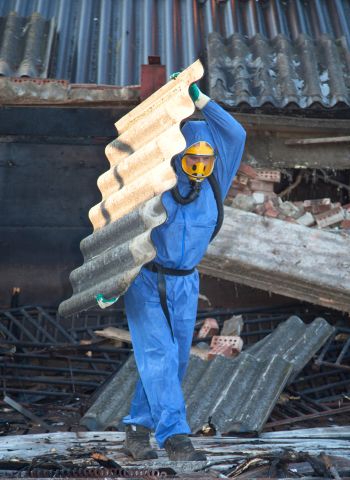
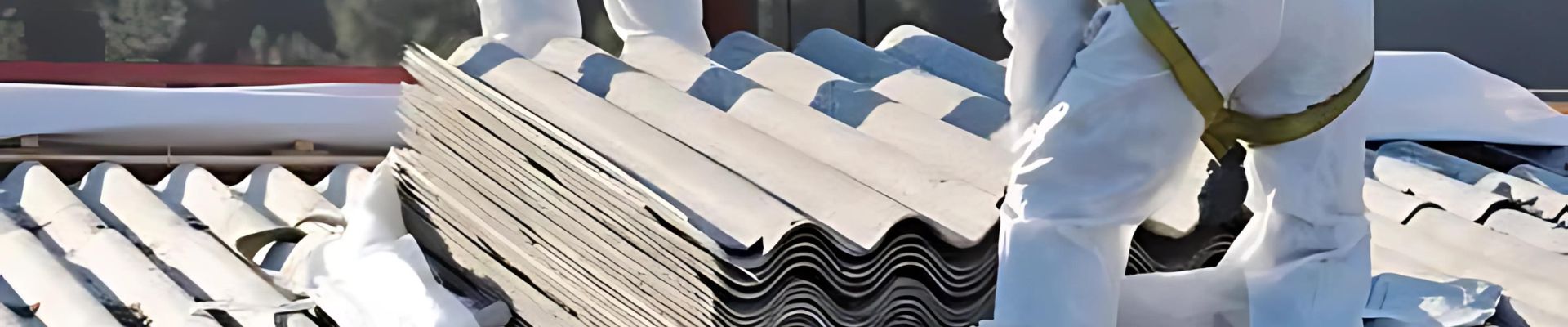
This can include suitable respiratory protection, protective clothing, controlled work areas, appropriate containment and safe waste handling. South Australian guidance also recommends keeping household members and pets away from the work area and using safe work procedures.
Professional removalists have the training, equipment and procedures required to manage these risks.
What Happens After Asbestos Is Removed?
Removing the material is not the end of the process. Asbestos waste must be safely packaged, transported and disposed of through an appropriate disposal facility.
For licensed removal work, South Australian requirements include specific waste containment and disposal procedures, as well as clearance processes before an area can be reoccupied where applicable.
Homeowners should therefore consider asbestos testing, removal and disposal as connected stages rather than treating disposal as an ordinary rubbish-removal task.
Why Is Professional Asbestos Advice Important?
Suspected asbestos does not necessarily mean that a renovation needs to stop permanently. It means the material should be identified and managed correctly before work continues.
Clean Air Asbestos Solutions provides asbestos testing, inspection, removal, disposal and related asbestos management services in Adelaide and the surrounding areas. Its asbestos safety service focuses on professional inspection, safe handling, protective equipment and appropriate removal procedures.
Getting professional advice early can help homeowners understand what material they are dealing with and what steps are appropriate for their property.