

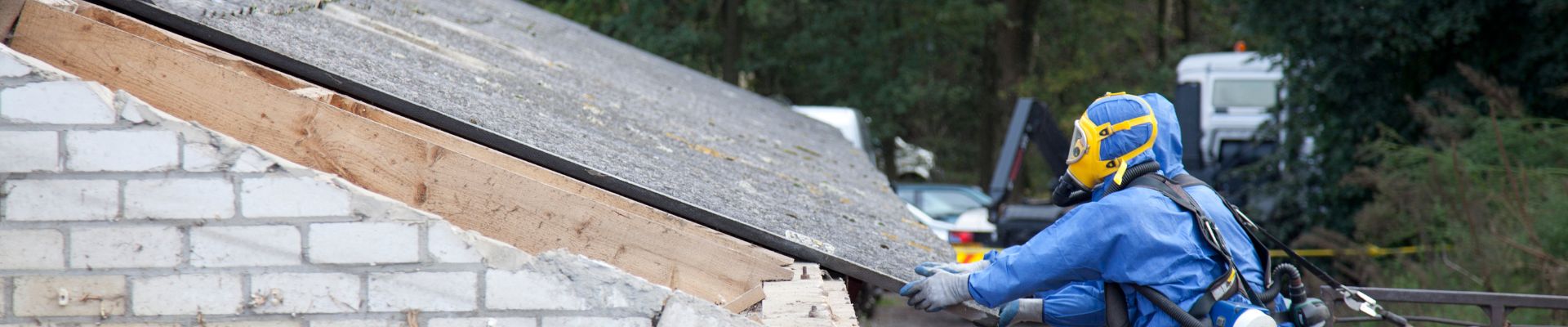
Asbestos Handling
Asbestos Handling Guide: Safe Removal, Risks & Regulations (2026)
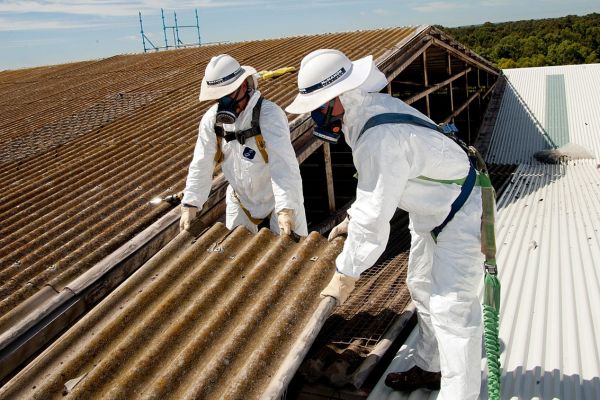
Asbestos is a material that was widely used in Australian homes and buildings for decades due to its strength and resistance to heat. Today, it’s known for something very different—serious health risks. If disturbed, asbestos can release tiny fibres into the air that are dangerous when inhaled. That’s why proper handling, removal, and compliance with regulations are critical for homeowners, renovators, and property managers.
This guide explains how asbestos should be managed safely, what risks to watch for, and why following the right process matters.
What Is Asbestos and Where Is It Found?
Asbestos was commonly used in construction materials before the early 2000s. You may still find it in:
- Roofing sheets and shingles
- Wall cladding and insulation
- Ceiling tiles and textured coatings
- Vinyl flooring and adhesives
- Fencing and garages
In many cases, asbestos is not dangerous if left undisturbed. The risk begins when materials are cut, drilled, broken, or deteriorate over time.
Health Risks of Asbestos Exposure
When asbestos fibres become airborne and are inhaled, they can lodge in the lungs and cause long-term health issues. These may not appear immediately but can develop years later.
Common Health Risks Include:
- Asbestosis – scarring of lung tissue
- Mesothelioma – a rare but aggressive cancer
- Lung cancer linked to fibre exposure
Because of these risks, even small exposure should be taken seriously.
Safe Asbestos Handling: What You Need to Know
Handling asbestos is not like dealing with regular building materials. It requires strict safety procedures to prevent fibre release and exposure.
Key Safety Practices:
- Avoid disturbing suspected asbestos materials
- Never use power tools or high-pressure cleaning on asbestos
- Seal off the area to limit airborne spread
- Use proper protective equipment (PPE)
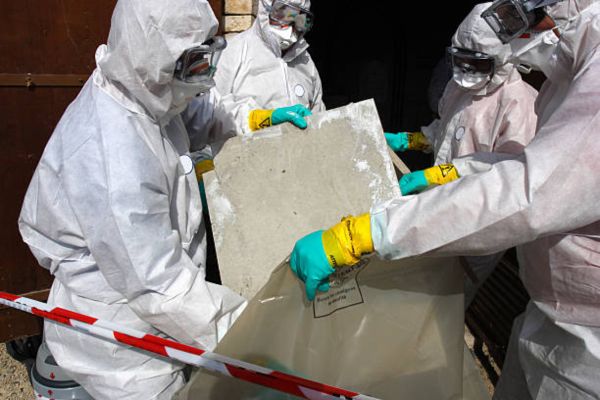
- Follow approved disposal methods
Attempting to handle asbestos without proper knowledge can increase the risk rather than reduce it.
Asbestos Removal vs Encapsulation
There are generally two ways to manage asbestos:
1. Removal
This involves safely removing and disposing of asbestos materials. It’s the most permanent solution and is often required during renovations or when materials are damaged.
2. Encapsulation
This method seals the asbestos material to prevent fibres from becoming airborne. It can be suitable when the material is still in good condition and unlikely to be disturbed.
Choosing the right option depends on the condition, location, and future plans for the property.
Australian Regulations for Asbestos Handling
Australia has strict laws regarding asbestos management to protect public health. These regulations require:
- Licensed professionals for removal above certain limits
- Proper containment and disposal procedures
- Notification for larger removal projects
- Compliance with workplace safety standards
Failing to follow these rules can lead to serious penalties and, more importantly, health risks.
Why Professional Asbestos Removal Matters
Asbestos handling is not a typical DIY task. Even small mistakes can release harmful fibres into the air and put people at risk. Professional services are trained to manage asbestos safely using the correct equipment, techniques, and legal procedures.
Clean Air Asbestos provides reliable and compliant asbestos services, ensuring safe identification, removal, and disposal. With proper handling, risks are minimised and your property remains safe for occupants.
Signs You May Have Asbestos
You should consider professional inspection if:
- Your property was built before the 2000s
- Materials appear old, damaged, or brittle
- You’re planning renovations or demolition
- You’re unsure about certain building materials
It’s always better to confirm than to take unnecessary risks.
Final Thoughts
Asbestos is a serious issue that requires careful attention and responsible handling. Whether you’re renovating, maintaining, or buying a property, understanding the risks and following proper procedures is essential.
By choosing safe methods and working with experienced professionals, you can protect both your health and your property. When it comes to asbestos, caution isn’t optional—it’s necessary.
- Asbestos in Adelaide Homes: What No One Tells You (But Every Renovator Should Know)
- Asbestos Handling Guide: Safe Removal, Risks & Regulations (2026)
- Asbestos Testing for Older Buildings in Adelaide SA!
- Here are Top 6 reasons why you should engage licensed, accredited asbestos removal companies in Adelaide, SA!
- Why should an asbestos building register or asbestos register be maintained?
- Why engage professional asbestos services for asbestos removal in Mount Barker, SA?
- Why asbestos remediation in Adelaide should be carried out! Its importance and significance
- What are the different kinds of asbestos inspection services for your South Australia place!
- Want to know about a couple asbestos testing methods? Find here!
- Understanding how asbestos air testing in Adelaide, SA is carried out!
- The Top 5 Reasons to engage a professional asbestos removal company in Adelaide Hills, South Australia!
- Some reasons why a reliable asbestos removal company in Adelaide, SA is reached out to!
- Here’s how Clean Air Asbestos can help in registering the asbestos building register in Adelaide, SA!
- Is it important to have an asbestos management plan? To learn more, click here!
- Is it important to have an asbestos management plan? To learn more, click here!
- How is asbestos disposal in Adelaide undertaken? Want to know? Find here!
- How does an asbestos survey specialist arrive at the cost of removal and survey? Click here to learn more!
- What is asbestos safety in Adelaide and how does it really work?